About Us
We know it can be a little confusing to understand what exactly we do if you’re not already familiar with forestry. That’s why we’ve broken it down here. Each section below gives a quick look at how we’re working to keep forests healthy and resilient.
Use the drop down menu to the right to explore more about us!
Let’s get right to the point…
Don’t worry, we know it can look scary.
In many forests, there are now far more trees growing close together than the land can naturally support. Years of fire suppression, drought, and insect outbreaks like the mountain pine beetle have created dense forests filled with stressed and dying trees, fallen branches, and thick undergrowth. These conditions allow wildfire to move quickly into the forest canopy, creating high-intensity fires that are difficult to control and dangerous for nearby communities, watersheds, wildlife habitat, and recreation areas.
WHY do we need to cut down trees?

Forest thinning is one of the most effective tools for reducing that risk. Thinning does not mean clear-cutting or removing healthy forests. Instead, crews carefully remove smaller, overcrowded, dead, or unhealthy trees and excess vegetation so the remaining forest has more space, sunlight, water, and nutrients. This helps larger trees become healthier and more resilient to drought, insects, and disease.
By reducing the amount of fuel in the forest, thinning can also slow the spread and intensity of wildfire. In a healthier, less crowded forest, fire is more likely to stay lower to the ground where it is easier for firefighters to manage and where it can play a more natural ecological role. Without treatment, fires are more likely to climb into tree canopies and become destructive crown fires that threaten homes, infrastructure, streams, and wildlife habitat.

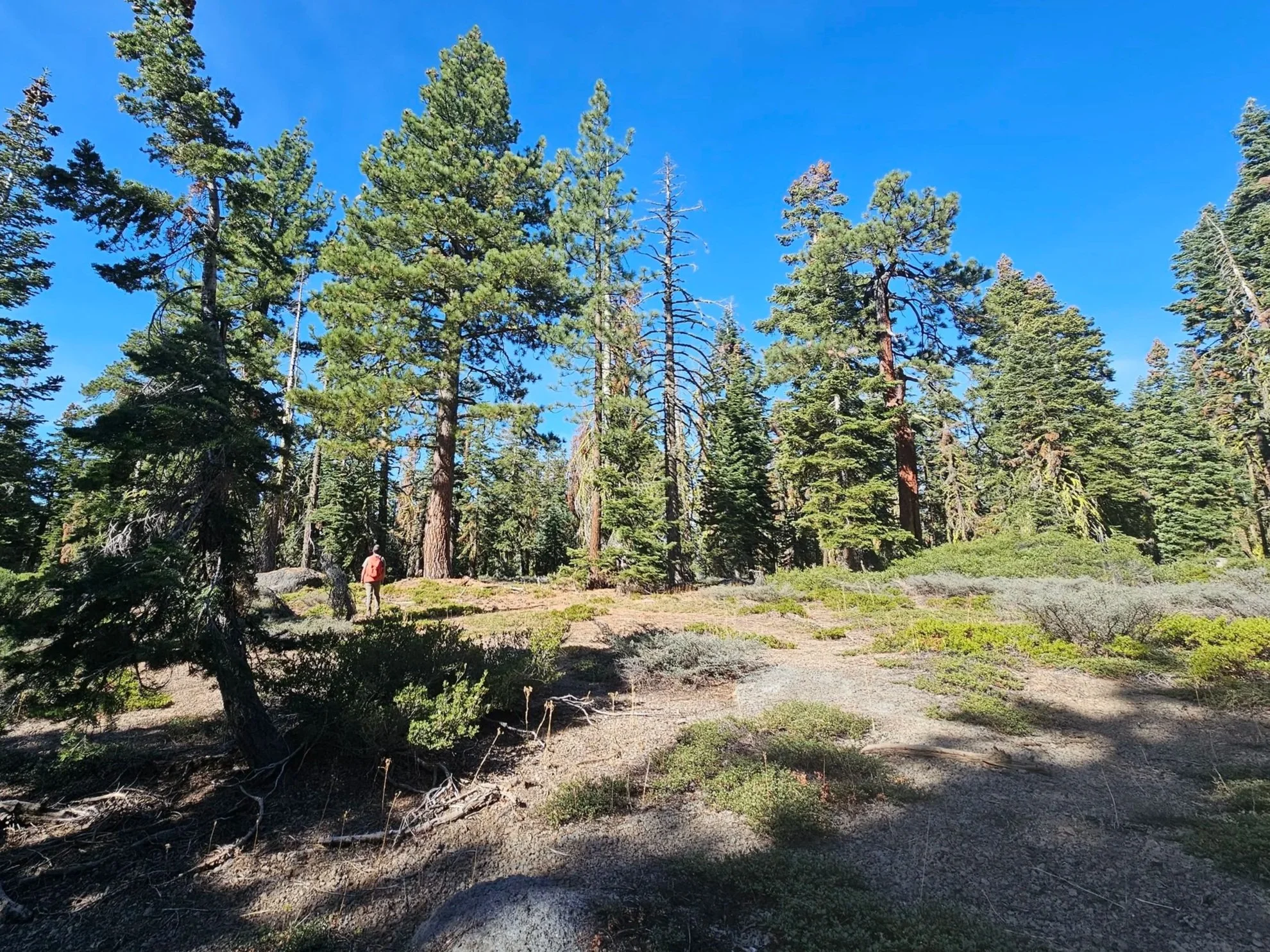
These treatments are especially important in the wildland-urban interface (WUI), where forests and communities meet. Projects like the Glen Isle Fuels Reduction Project help create safer conditions for residents, visitors, firefighters, and the surrounding watershed while protecting the natural beauty and recreational value of the area.
Healthy forests are not necessarily the densest forests. Historically, many forests experienced more frequent, lower-intensity fires that naturally cleared out excess vegetation and maintained healthier forest structure. Today, strategic thinning helps restore some of that balance and supports long-term forest resilience in a changing climate.
At Stewardship West, our goal is to help forests survive and thrive for future generations.
What is Forest Stewardship?
When forests become overcrowded, stressed, or unhealthy, trees must compete for limited water, sunlight, and nutrients. This can make forests more vulnerable to drought, insects, disease, and severe wildfires. High-intensity wildfires can damage soils, harm watersheds, and make it easier for invasive plant species to spread.
Forest stewardship means caring for forests in a way that keeps them healthy, balanced, and able to thrive long into the future. Healthy forests support clean water, wildlife habitat, recreation, and the natural beauty of the landscape.
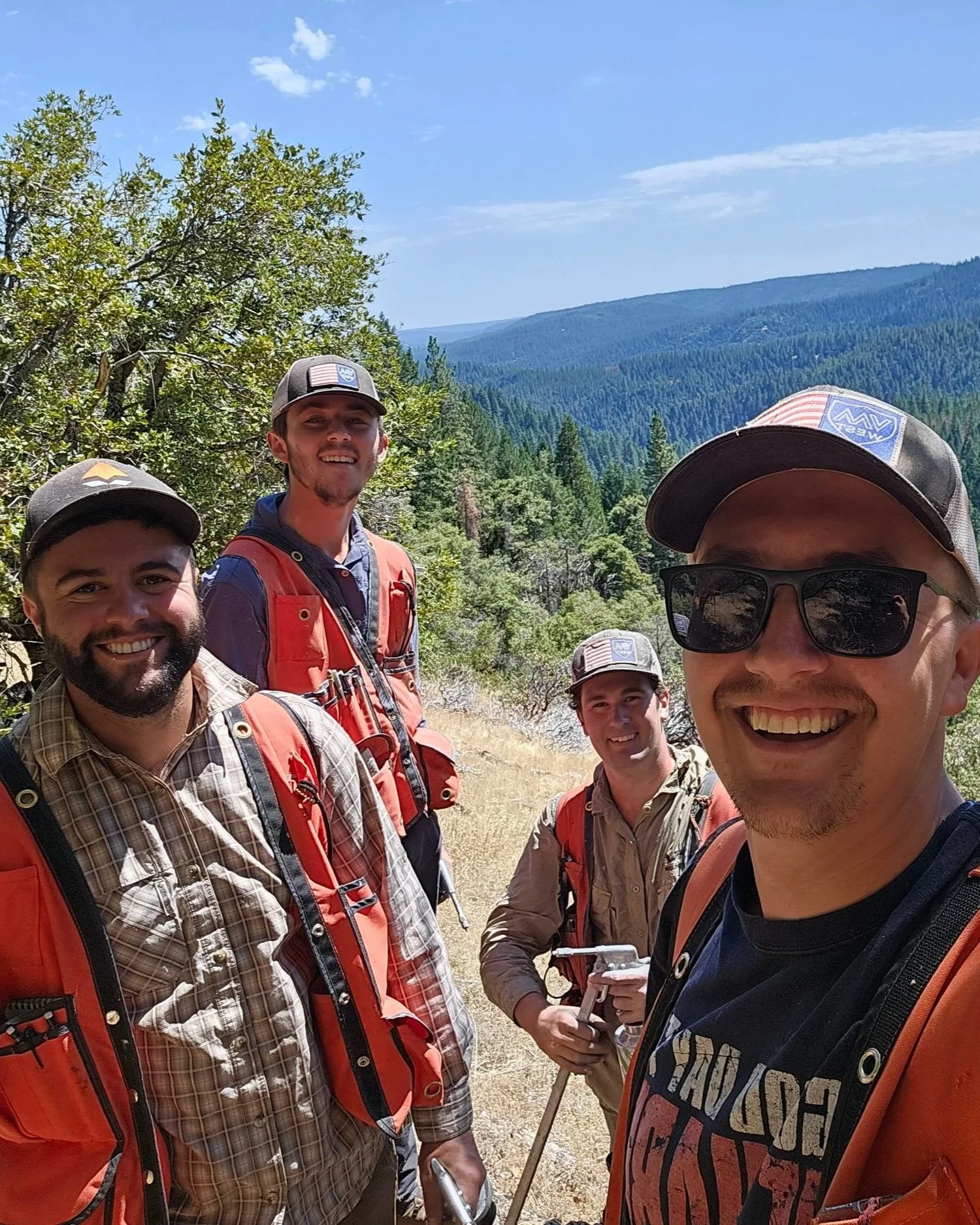
Stewardship West partners with various agencies by negotiating agreements and implementing contracts with qualified restoration specialists to carry out our mission of protecting the health and welfare of our forests for current and future generations.

Our Keys to Success
➤ Partners share mutual interests and mutual benefits
➤ Collaborative effort between USFS, cooperator, and community
➤ All parties contribute to the project
➤ All project elements are negotiable
➤ Utilization of Stewardship Agreements
➤ Finding solutions for non-saw timber
➤ Protect watersheds, wildlife, recreation, and communities.
➤ A team that is passionate about our mission
Stewardship Activities
Meet Our Team
-

Kevin Zeman
PRESIDENT/CEO
-

Jennifer Baker
CHIEF OPERATIONS OFFICER
-
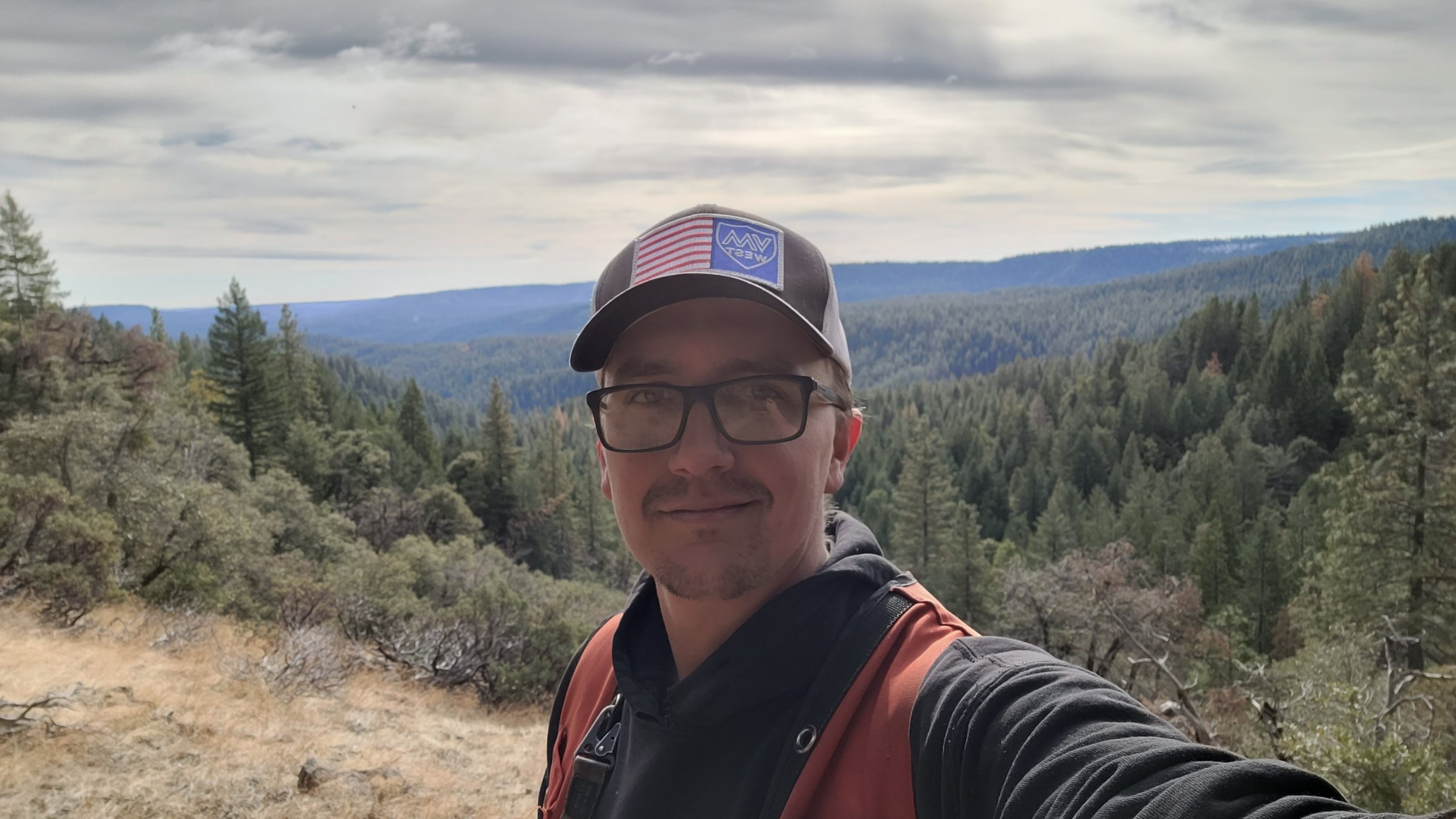
Robert DeSotle
DIRECTOR OF FORESTRY AND NATURAL RESOURCES
-
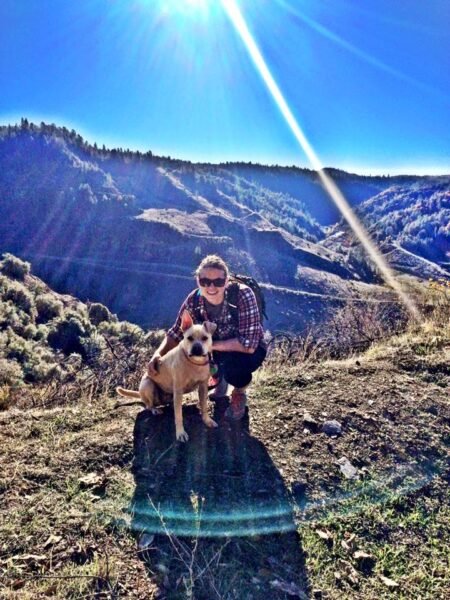
Jessica DeSotle
BUSINESS OPERATIONS SUPPORT SPECIALIST/HR
-

Stan Baker
PARTNERSHIP DIRECTOR
-

Luke Cherney
DIRECTOR OF FORESTRY - COLORADO
-

Taran Hieb
CALIFORNIA LEAD FORESTER
-
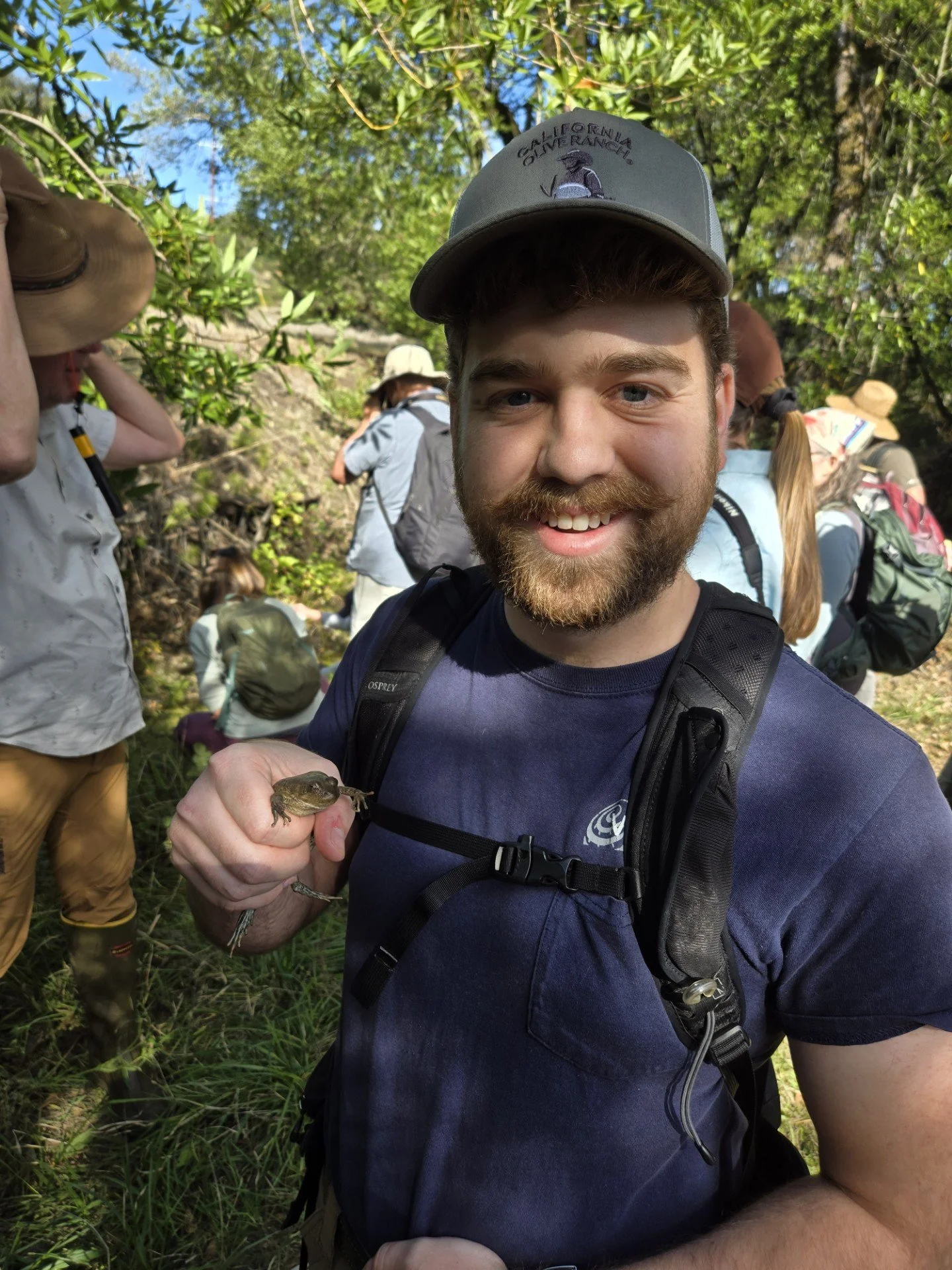
Matt Hartt
CHIEF OF STAFF
-
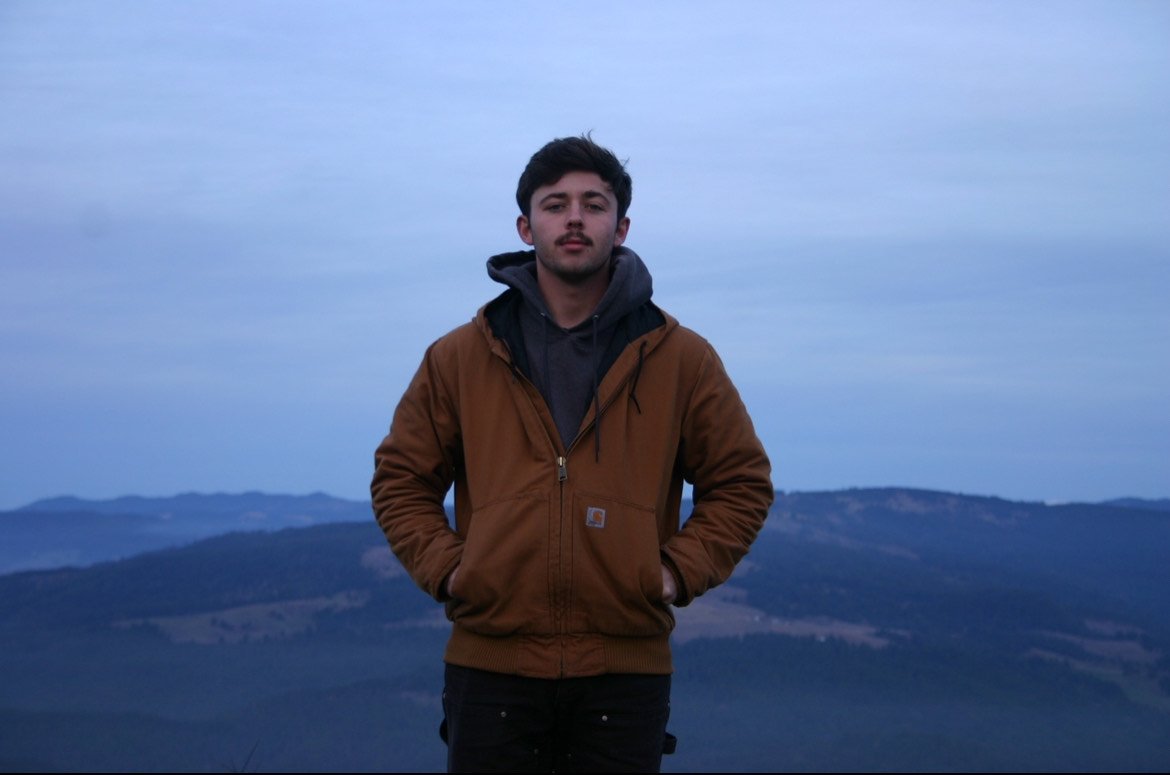
Gino Frederick
FORESTER
-

Joseph Faryniarz
CERTIFIED WILDLIFE BIOLOGIST
-
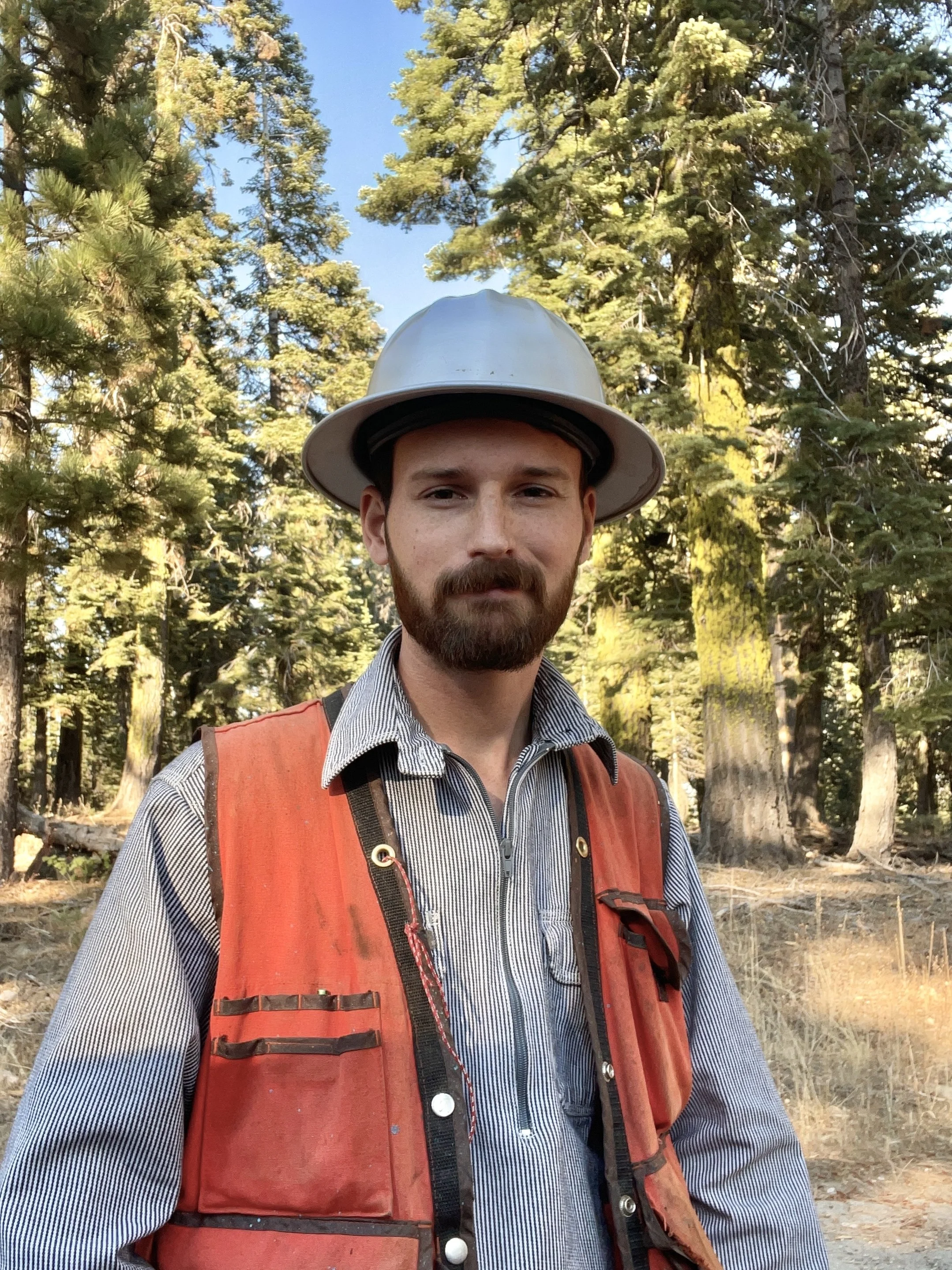
Kyle Haugh
FORESTRY TECHNICIAN
-

Meredith Baker
GRAPHIC DESIGN/SOCIAL MEDIA
Our Board
-
Robert Abernethy
CHAIRMAN
-
Kevin Zeman
PRESIDENT & CEO
-
Dan Huttner
VICE PRESIDENT
-
Stan Baker
DIRECTOR
-
(Contact us - this could be you!)
SECRETARY
-
(Contact us - this could be you!)
TREASURER