Glen Isle Fuels Reduction Project
Location: Bailey, CO
Size: 135 acres
Land Ownership: Private
Partners: COSWAP (Colorado Strategic Wildfire Action Program), Jefferson Conservation District, USDA Forest to Faucets, Center of Colorado Water Conservancy District (CCWCD), Upper South Platte Partnership
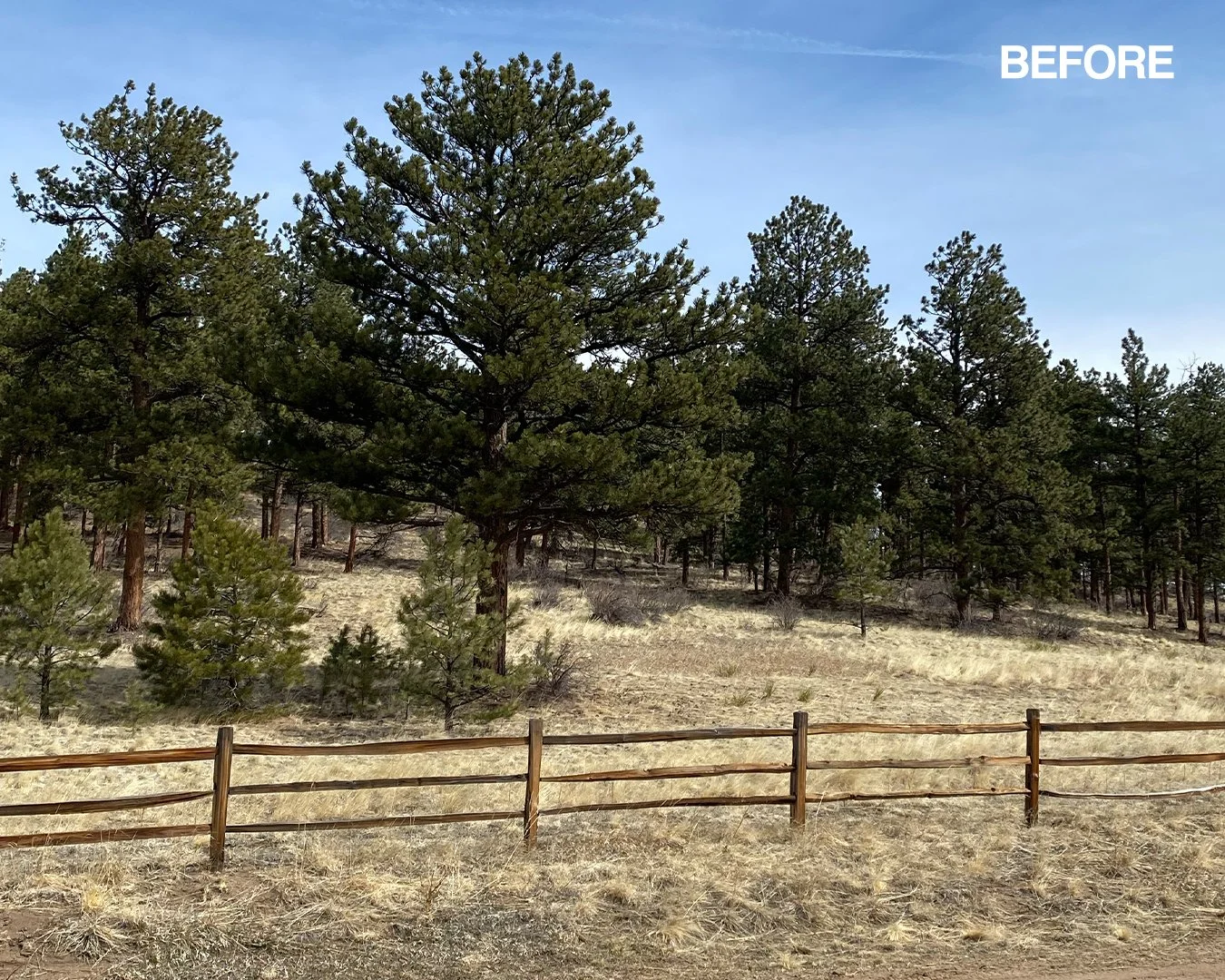
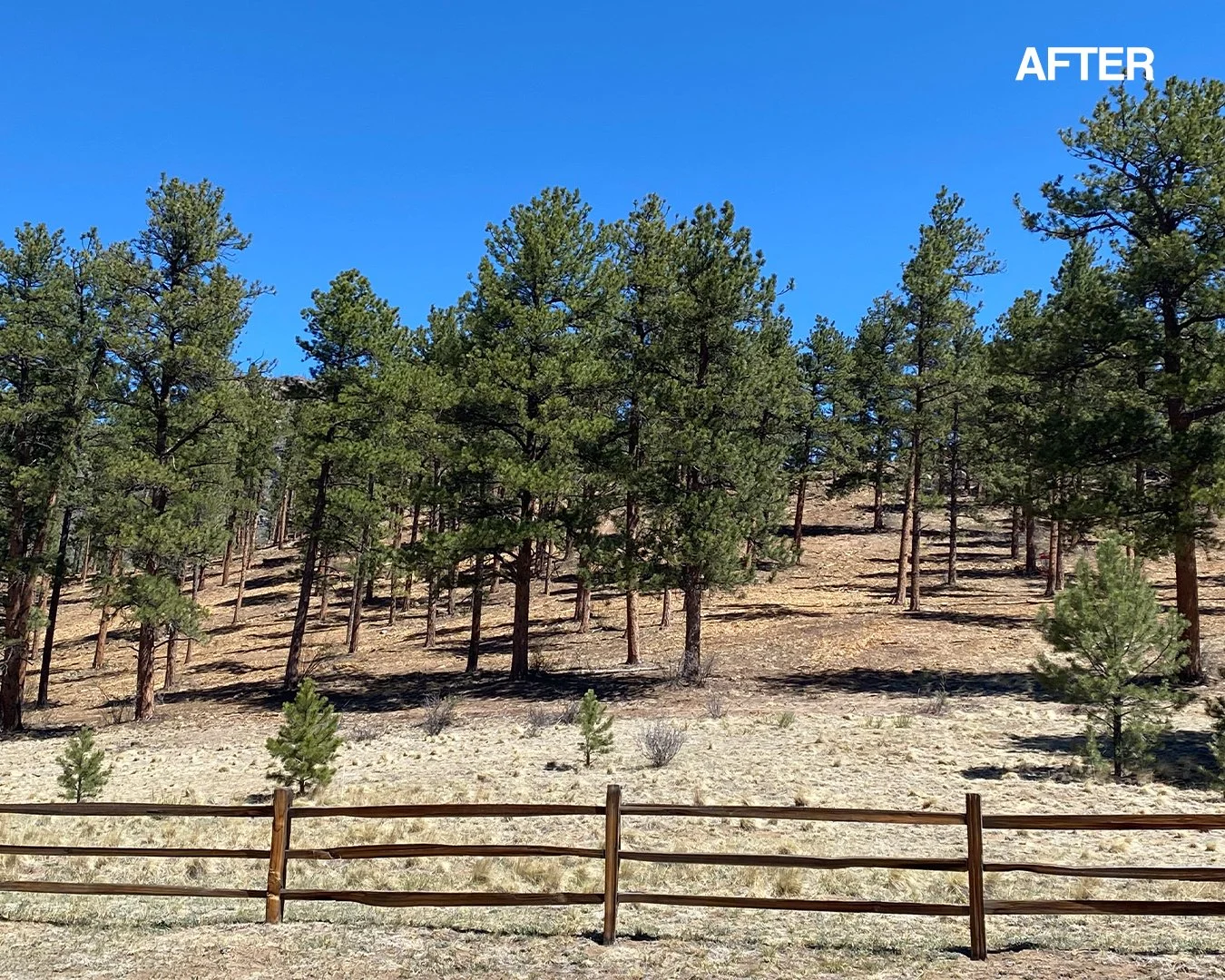
WHY do we need to cut down trees?
We know it can look scary…
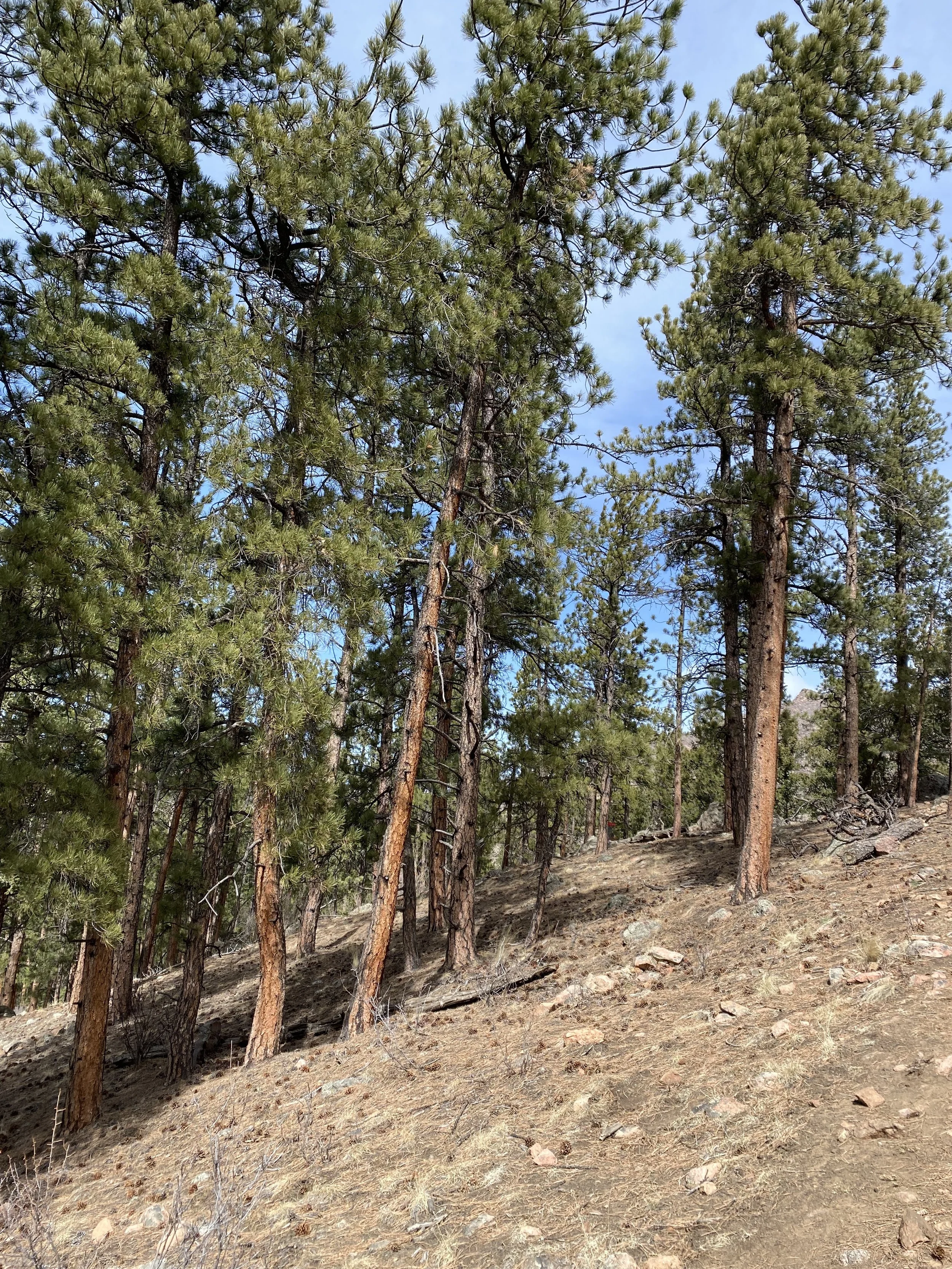
In many forests, there are now far more trees growing close together than the land can naturally support. Years of fire suppression, drought, and insect outbreaks like the mountain pine beetle have created dense forests filled with stressed and dying trees, fallen branches, and thick undergrowth. In areas of Colorado like Bailey and the Upper South Platte, these conditions allow wildfire to move quickly into the forest canopy, creating high-intensity fires that are difficult to control and dangerous for nearby communities, watersheds, wildlife habitat, and recreation areas.
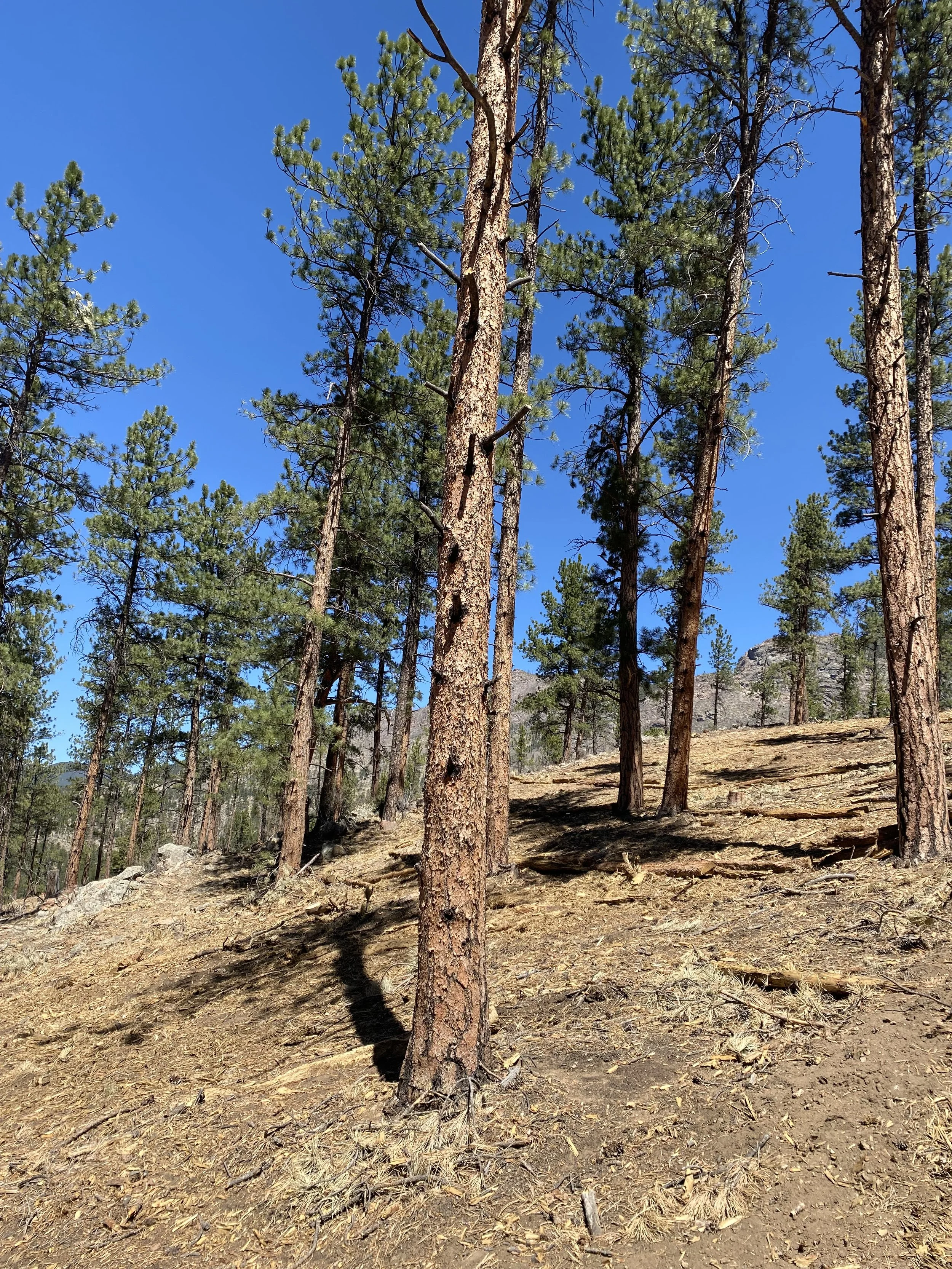
Before
After
Project Overview
The Glen Isle Fuels Reduction Project is a collaborative initiative focused on reducing the risk of high intensity wildfire on 135 acres of private land near Bailey Colorado and protecting the adjacent watershed.
The project is being implemented by Stewardship West with grant funding from the Colorado Strategic Wildfire Action Program (COSWAP), Jefferson Conservation District, Denver Water’s Forests 2 Faucets and the Center of Colorado Water Conservancy District. It addresses dense fuels, pine beetle impacts, and overall forest resilience in the wildland-urban interface (WUI) area around Bailey, where wildfire threats are significant due to topography, vegetation and proximity to communities and infrastructure.
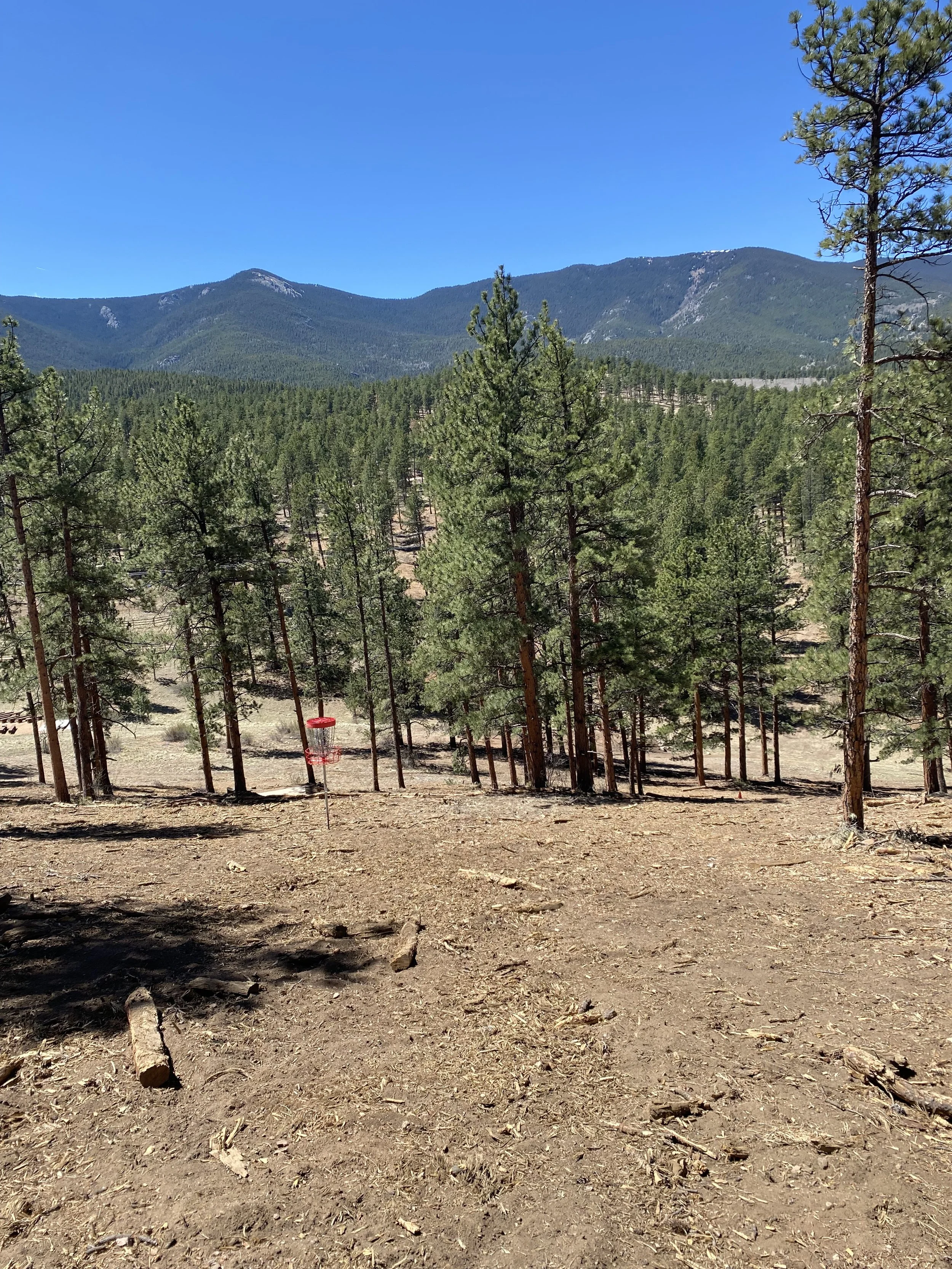
The project takes its name from the historic Glen Isle Resort, a landmark property in the area. Originally a stop along historic train routes, the resort remains operational today and features a nationally recognized disc golf course. The 21-hole course, opened in recent years, winds through the mountain landscape on the property, offering challenging play amid scenic Rockies views.
Another key landowner is the Two Bridges Resort, which has independently funded stream restoration efforts along the North Fork of the South Platte River. The lodge provides guests with exclusive, private catch-and-release fly fishing opportunities on a half-mile stretch of the river along with luxury accommodations, and other amenities like a trout pond and outdoor relaxation areas.
These private land efforts complement broader regional wildfire mitigation and ecosystem restoration work in the Upper South Platte area, helping protect communities, watersheds, recreation, and natural resources from catastrophic fire by improving forest health.
For information on how to stay wildfire-ready, visit https://csfs.colostate.edu/live-wildfire-ready/
For a deep dive into the science behind the restoration of Ponderosa Pine forests along the Front Range of Colorado, click here.